Good morning Jeep Peeps!
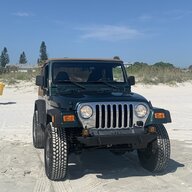
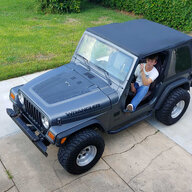
I’ve been struggling with my new LJ. 2005 LJ 4.0L 88k manual transmission.
I am experiencing a high idle, usually at 1500 RPMs. This isn’t my first Jeep and roughly 6th vehicle with the 4.0 (YJ, XJ, WJ, TJ, etc).
The majority of the time the LJ starts and idles right up to 1500 and never comes down warm or cold loaded or unloaded. Every now and then after I have messed with sensors and electrical connectors it will idle at 750, as soon as I do the happy dance and take it for a quick drive it goes right back to 1500 and stays there.
What I’ve done, replaced the IAC (mopar), cleaned throttle body and IAC port, replaced throttle body gasket, checked all vacuum ports for leaks and cracks- found a few (more on that later), currently waiting on replacement (mopar) TPS, MAP, and Air Charge Temp Sensor.
Vacuum- so I found a few cracked rubber fittings. I wanted to identify the fitting that may have caused the high idle while I waited on a mopar replacement rather than duct tape and zip ties (no offense lol!). I pulled each fitting and capped them off with the correct sized vacuum caps. PCV, A/C, emissions, brake booster, and I replaced the fitting to the MAP sensor with fresh vacuum hose temporarily. With all the lines pulled and capped it still idles at 1500.
This is where I’m stumped, high idle usually means IAC or vacuum leak but why am I still seeing no change after an IAC and no open vacuum ports?
Thanks for any help!
I’ve been struggling with my new LJ. 2005 LJ 4.0L 88k manual transmission.
I am experiencing a high idle, usually at 1500 RPMs. This isn’t my first Jeep and roughly 6th vehicle with the 4.0 (YJ, XJ, WJ, TJ, etc).
The majority of the time the LJ starts and idles right up to 1500 and never comes down warm or cold loaded or unloaded. Every now and then after I have messed with sensors and electrical connectors it will idle at 750, as soon as I do the happy dance and take it for a quick drive it goes right back to 1500 and stays there.
What I’ve done, replaced the IAC (mopar), cleaned throttle body and IAC port, replaced throttle body gasket, checked all vacuum ports for leaks and cracks- found a few (more on that later), currently waiting on replacement (mopar) TPS, MAP, and Air Charge Temp Sensor.
Vacuum- so I found a few cracked rubber fittings. I wanted to identify the fitting that may have caused the high idle while I waited on a mopar replacement rather than duct tape and zip ties (no offense lol!). I pulled each fitting and capped them off with the correct sized vacuum caps. PCV, A/C, emissions, brake booster, and I replaced the fitting to the MAP sensor with fresh vacuum hose temporarily. With all the lines pulled and capped it still idles at 1500.
This is where I’m stumped, high idle usually means IAC or vacuum leak but why am I still seeing no change after an IAC and no open vacuum ports?
Thanks for any help!