TJ pulls hard left after replacing brake pads and rotors

DCL

Member
Original poster
Joined
Jul 10, 2023
Messages
42
Location
USA
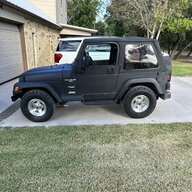
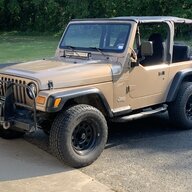
2000 Sahara was not pulling to the left when applying brakes before everything was replaced.
But the rotors and pads needed replacing badly so...

After replacing rotors, pads, drums, and shoes. Hit brakes TJ pulls hard left. So logically I think hose or caliper. Screw it I will replace both calipers and front hoses.

But, before I replaced the calipers and hoses, I had to make an emergency stop at a red light. After that stop no more pulling hard left. Well, being me, I still couldn't leave well enough alone, so I replaced them anyway. Wife, drove it today, now it's pulling hard left again. I won't have the opportunity to slam on the brakes again until tomorrow.

If that fixes it again, should I leave well enough alone?
Or should I what?

If it doesn't fix it, please help lead me down the path that could help me resolve my issue.

Also right side is smoking hot. She says.

Thanks
 
2000 Sahara was not pulling to the left when applying brakes before everything was replaced.
But the rotors and pads needed replacing badly so...

After replacing rotors, pads, drums, and shoes. Hit brakes TJ pulls hard left. So logically I think hose or caliper. Screw it I will replace both calipers and front hoses.

But, before I replaced the calipers and hoses, I had to make an emergency stop at a red light. After that stop no more pulling hard left. Well, being me, I still couldn't leave well enough alone, so I replaced them anyway. Wife, drove it today, now it's pulling hard left again. I won't have the opportunity to slam on the brakes again until tomorrow.

If that fixes it again, should I leave well enough alone?
Or should I what?

If it doesn't fix it, please help lead me down the path that could help me resolve my issue.

Also right side is smoking hot. She says.

Thanks
2000 Sahara was not pulling to the left when applying brakes before everything was replaced.
But the rotors and pads needed replacing badly so...

After replacing rotors, pads, drums, and shoes. Hit brakes TJ pulls hard left. So logically I think hose or caliper. Screw it I will replace both calipers and front hoses.

But, before I replaced the calipers and hoses, I had to make an emergency stop at a red light. After that stop no more pulling hard left. Well, being me, I still couldn't leave well enough alone, so I replaced them anyway. Wife, drove it today, now it's pulling hard left again. I won't have the opportunity to slam on the brakes again until tomorrow.

If that fixes it again, should I leave well enough alone?
Or should I what?

If it doesn't fix it, please help lead me down the path that could help me resolve my issue.

Also right side is smoking hot. She says.

Thanks
 
Right caliper piston is sticking.
Caliper not releasing adds slight pressure when not using them and makes things hot.
When using the brakes; the other side is doing all the work, so it pulls left.
The hard braking may have forced it free, temporarily.
Don't know why both old and new is doing the same thing.
Probably debris in the line from forcing the piston in to make room for the new pads.
Did you flush/bleed before changing pads and rotors?
 
Last edited:
Right caliper piston is sticking.
Caliper not releasing adds slight pressure when not using them and makes things hot.
When using the brakes; the other side is doing all the work, so it pulls left.
The hard braking may have forced it free, temporarily.
Don't know why both old and new is doing the same thing.
Probably debris in the line from forcing the piston in to make room for the new pads.
Did you flush/bleed before changing pads and rotors?

His diagnosis has been consistent with my experiences as well. New calipers can be bad, and contaminated fluid can be the culprit- a vigorous on the pedal flush prior to brake work like this is recommended.
 
  • Like
Reactions: DCL
Thank you gentlemen. I will give that a try. That makes sense.

But we know have a larger issue. The wife called said it was pulling left I wrote that post. After her event in town on the way home it overheated. Started knocking, stalled and so on. So we will see what’s next.

Looks like bed rug and other accessory installs are on hold. I guess it running smoothly and stopping smoothly might be more important than it looking smooth.

I have a feeling I’m going to have a 20k toy before we are said and done. And a life long buddy. Honestly I’m ok with and looking forward to it.

201,000 miles on it. Should I just say F it and get a new motor. Spend now save on hassle? Cause the inevitable is coming anyway.
 
Try bleeding your brakes. Feels like you got air in your lines.

No, no, no, not ever. It would just be fantastic, and I mean FANTASTIC in all caps and bolded if we could get a little reference genie that would pop up and say, "hey look silly person, you just said that air causes a pull. Here is a link to the last 122 times that it was explained that isn't really possible".

So, for the 123rd time, in a TJ brake system that is non ABS, the 3 rear ports on the combo block are just a connecting Tee. They just simplify the plumbing and eliminate the need for an addition connector to feed the two individual lines to the front brake calipers. Them being connected to a Tee means that no matter what else happens, both calipers will have the exact same pressure in them so it is not possible for air in the system to create a differential pressure side to side.
 
  • Like
Reactions: gatertamer
Thank you gentlemen. I will give that a try. That makes sense.

But we know have a larger issue. The wife called said it was pulling left I wrote that post. After her event in town on the way home it overheated. Started knocking, stalled and so on. So we will see what’s next.

Looks like bed rug and other accessory installs are on hold. I guess it running smoothly and stopping smoothly might be more important than it looking smooth.

I have a feeling I’m going to have a 20k toy before we are said and done. And a life long buddy. Honestly I’m ok with and looking forward to it.

201,000 miles on it. Should I just say F it and get a new motor. Spend now save on hassle? Cause the inevitable is coming anyway.

I'm not sure which part makes sense but, bleeding the system will never correct a pull. An enthusiastic bleeding and flush should be done before pushing the pistons in to install new pads. It is not a guarantee that the pistons won't trap debris, sludge and or rust, but if the crap can be flushed out, it will certainly increase the chances of them not sticking.

The guide sleeves also stick in the dust boots. We've seen a spate of them recently where the guide sleeves are very hard to move. A bit of forensics revealed that while the ends of the guide sleeve have lube, there is none that made it to the most important section where the middle of the dust boot aligns the guide sleeve.

Always check the guide sleeves on calipers, new or otherwise. They should not be sloppy in any direction, they should move easily but not let the caliper flop around.

The other thing that sticks pistons on older calipers is rust in the dust boot area around the end of piston bore. That expands and pushes the dust boot in against the piston and stops the piston retraction.


It helps to know how the caliper works. If there were not some mechanism in place to pull the piston back, the pads would drag harder on the rotor all the time, that would increase heat, and exacerbate pad and rotor wear.

The way the problem is solved is the piston seal is a square cross section o-ring. The groove it lives in has a tapered outer diameter with the shallower edge of it towards the outer part of the piston. When the brake pedal is pushed, the hydraulic pressure moves the piston out to clamp the pads against the rotor. When the pedal is released, the seal ever so slightly pulls the piston back so the pads don't drag as much as it "rocks" in the groove.


Another thing to be aware of is the side with the problem may not always be the side with a pull. Depending on how the pads respond to the heat build up, the hotter dragging side may grip better or worse than the other side.


It is also common for grease on the rotor to cause a temporary pull that goes away after a few stops. The grease gets squirted out of the grease boot on the right side tie rod end under a hard braking event that cycles the suspension. It flies through the hole in the dust shield, contaminates the rotor and then gets burned away. (also why it isn't mandatory to keep your rotors spotless during an install, that crap will burn away) I've watched folks clean off fingerprints, that isn't required at all.
 
I'm not sure which part makes sense but, bleeding the system will never correct a pull. An enthusiastic bleeding and flush should be done before pushing the pistons in to install new pads. It is not a guarantee that the pistons won't trap debris, sludge and or rust, but if the crap can be flushed out, it will certainly increase the chances of them not sticking.

The guide sleeves also stick in the dust boots. We've seen a spate of them recently where the guide sleeves are very hard to move. A bit of forensics revealed that while the ends of the guide sleeve have lube, there is none that made it to the most important section where the middle of the dust boot aligns the guide sleeve.

Always check the guide sleeves on calipers, new or otherwise. They should not be sloppy in any direction, they should move easily but not let the caliper flop around.

The other thing that sticks pistons on older calipers is rust in the dust boot area around the end of piston bore. That expands and pushes the dust boot in against the piston and stops the piston retraction.


It helps to know how the caliper works. If there were not some mechanism in place to pull the piston back, the pads would drag harder on the rotor all the time, that would increase heat, and exacerbate pad and rotor wear.

The way the problem is solved is the piston seal is a square cross section o-ring. The groove it lives in has a tapered outer diameter with the shallower edge of it towards the outer part of the piston. When the brake pedal is pushed, the hydraulic pressure moves the piston out to clamp the pads against the rotor. When the pedal is released, the seal ever so slightly pulls the piston back so the pads don't drag as much as it "rocks" in the groove.


Another thing to be aware of is the side with the problem may not always be the side with a pull. Depending on how the pads respond to the heat build up, the hotter dragging side may grip better or worse than the other side.


It is also common for grease on the rotor to cause a temporary pull that goes away after a few stops. The grease gets squirted out of the grease boot on the right side tie rod end under a hard braking event that cycles the suspension. It flies through the hole in the dust shield, contaminates the rotor and then gets burned away. (also why it isn't mandatory to keep your rotors spotless during an install, that crap will burn away) I've watched folks clean off fingerprints, that isn't required at all.

Thank you that explains the correction to the function of the brakes after the emergency stop.

In further news. The radiator has a nice big crack in it. And the engine is good. Poor wifey filled the reservoir yesterday evening. Not the radiator. Lol. It happens. I was explaining over the phone what to do. Seems there was some “miscommunication”. So now replacing radiator and hoses. So money will be spent, but not as much as I feared.

Yet. 😜
 
This might be a good spot to mention the sleeves do not slide on the bolts like some setups do.
So the inside of the sleeves (and bolts) really don't need greased except for corrosion protection.


A bit of forensics revealed that while the ends of the guide sleeve have lube, there is none that made it to the most important section where the middle of the dust boot aligns the guide sleeve.

I've also noticed that the grease inside the boot gets pushed out as the sleeve scrapes the insides of the middle section.
So, what's the trick?
 
This might be a good spot to mention the sleeves do not slide on the bolts like some setups do.
So the inside of the sleeves (and bolts) really don't need greased except for corrosion protection.
Never been able to grease the inside of those bolts.
I've also noticed that the grease inside the boot gets pushed out as the sleeve scrapes the insides of the middle section.
So, what's the trick?

The dust boot has ridges on the inside that the guide sleeve rides on. I use a flat blade screwdriver to smear the lube around them and then fill a small amount where the dust boot balloons out.
 
  • Like
Reactions: LONGJP2
Just in case someone is looking to see if there was a final resolution to this problem. There was. A complete flush of the brake system after all the parts were added. Fixed the pulling left. So, the recommendations given above, of flushing the brake system before adding new parts. Were dead on correct!