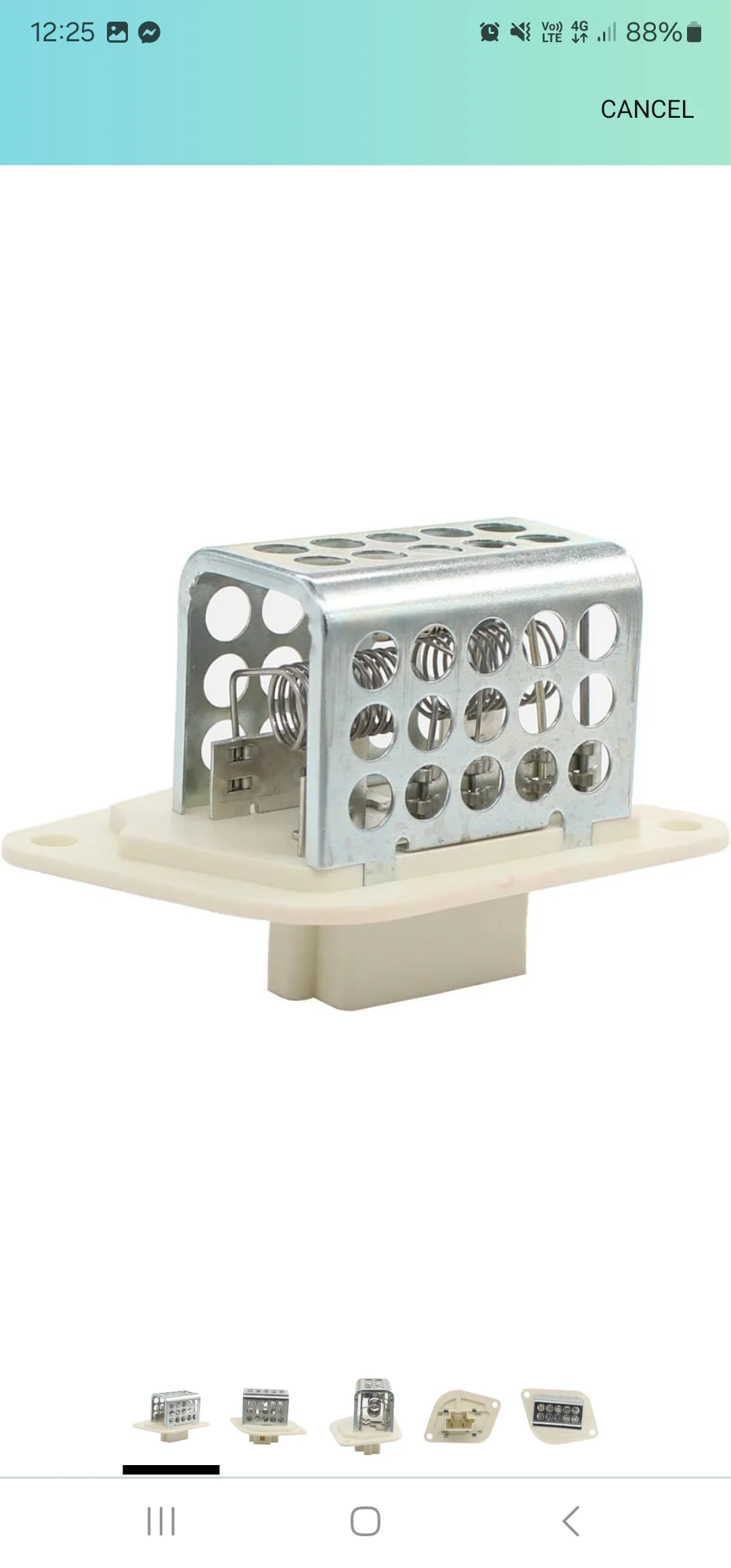
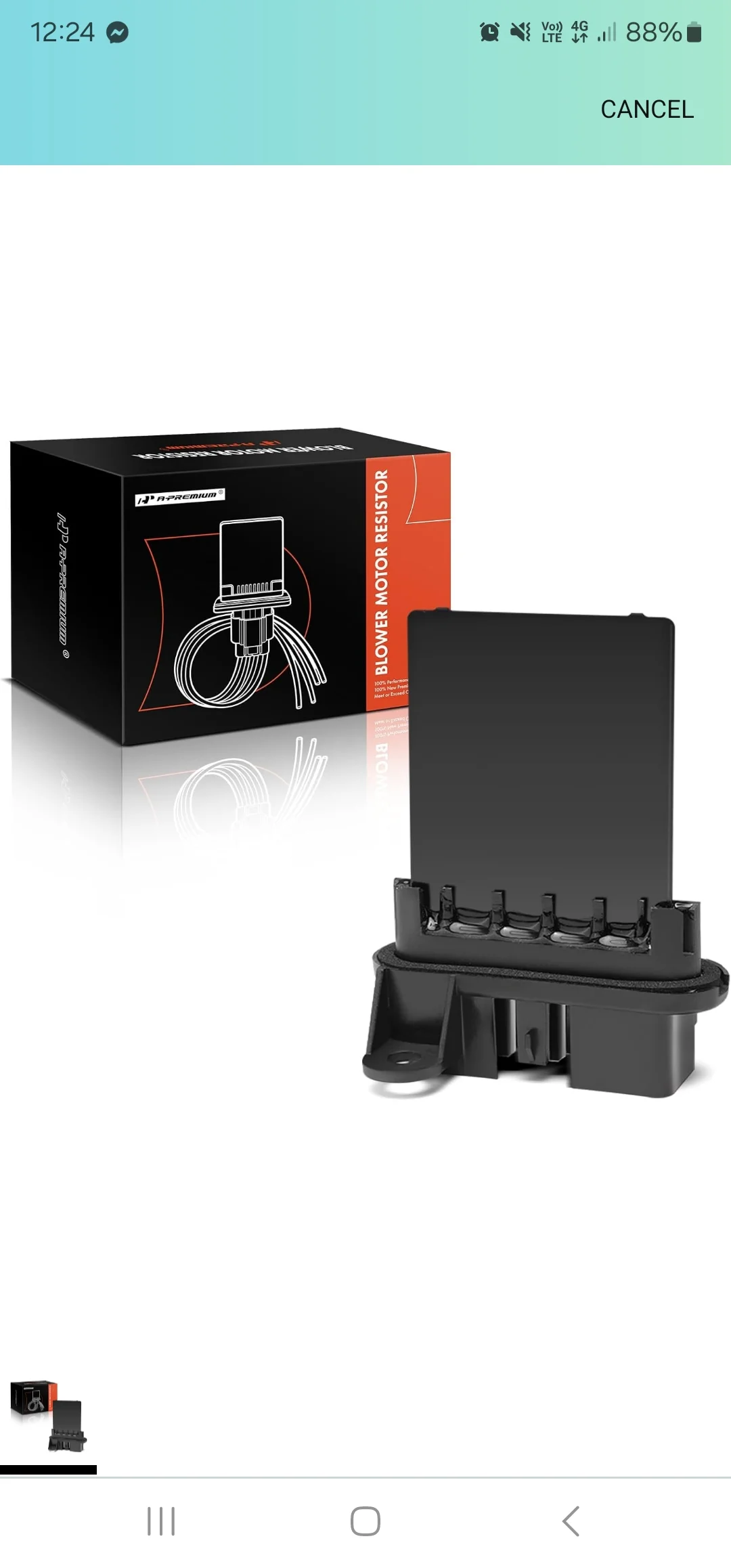
The blower motor control module/resistor is a crucial component in heating, ventilation, and air conditioning (HVAC) systems, responsible for regulating the speed of the blower motor. There are two primary types: electronic and coil-based. Here’s a breakdown of their characteristics:
Coil-Based (Traditional) Blower Motor Resistor:
Mechanical resistance: Varying coils of different thickness create a resistance difference, controlling the amount of current reaching the blower motor.
Fixed speeds: Typically, 4-5 fixed speeds are available, with the motor speed determined by the resistance path selected.
Simple design: Fewer electronic components, making it less prone to failure and easier to repair.
Less precise control: Motor speed control is less precise compared to electronic modules.
Electronic Blower Motor Control Module:
Transistor-based: Uses transistors to control the flow of current to the blower motor, allowing for more precise speed control.
Variable speeds: Can provide a range of speeds, often with automatic climate control and other features.
Complex design: More electronic components, making it more susceptible to failure and requiring specialized repair.
Improved precision: Motor speed control is more precise, with better temperature and humidity regulation.
Key Takeaways:
Coil-based resistors are simpler, less prone to failure, and easier to repair, but offer limited speed control.
Electronic control modules provide more precise speed control, variable speeds, and additional features, but are more complex and require specialized repair.
When choosing between the two, consider the system’s requirements, maintenance needs, and the desired level of precision and control.
Troubleshooting and Replacement:
Coil-based resistors: Visual inspection, resistance testing, and replacement as needed.
Electronic control modules: Diagnostic testing, voltage drop testing, and replacement as needed. It’s essential to ensure proper installation and calibration after replacement