Determining Priorities

Classic>New

"Certified" by the internet
Original poster
Supporting Member
Joined
May 8, 2019
Messages
107
Location
Fallbrook, CA
It's no secret that these TJ's need all the love and care we can give from all that I have read here. But I just bought mine and I know it has lots of thing that need to be done to it. I'm not talking from the convenience or fun stand point but the mechanical stand point. Since I have never done this before I want to know from the veterans... How did/do you organize the priorities of what to work on first?

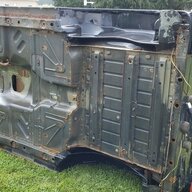
I'm not a mechanic and I am still learning a lot about the issues that I could be facing with my TJ. I believe what I have is a stock one with minor things done to it. For example the previous owner took out out all the carpeting and bedlined the floor. He said he had plans for it but went through a divorce and had to sell it.

So I really want to know where do I start? I assume things that are concerning safety so breaks? Should I take it to a mechanic and just get an overall evaluation and have him suggest where to start? I want to do this right not twice you know?

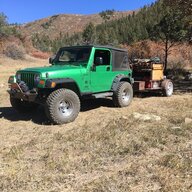
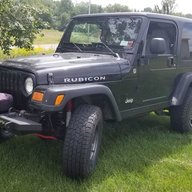
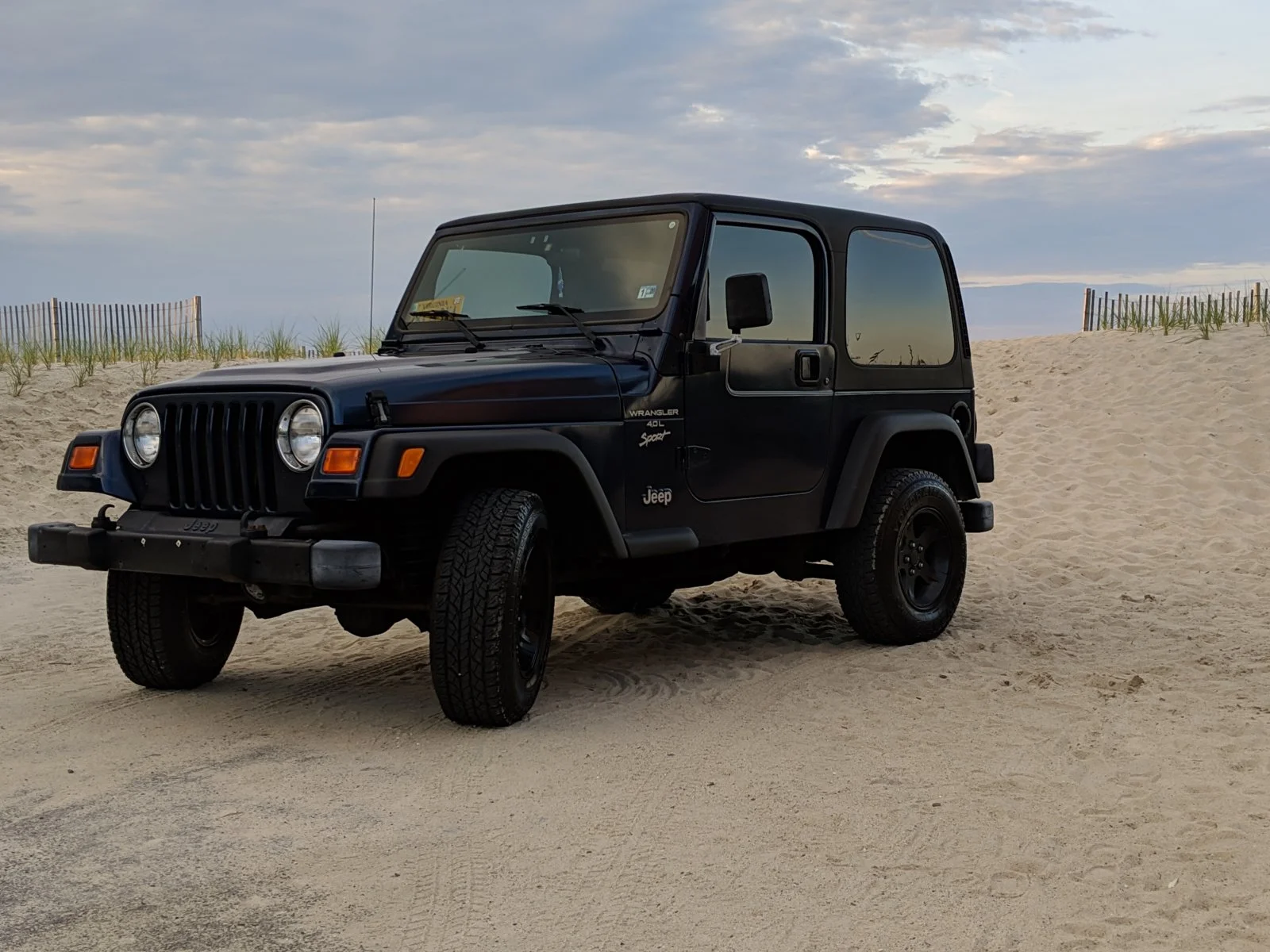
Also does this look upgraded from the outside at all?
IMG_20190508_191418.webp
 
  • Like
Reactions: TJ Starting
The hood latches look aftermarket, the wheels, and the mirror arms. I think that’s stock ride height, but hard to tell from this perspective.

For mechanical stuff I’ve been doing pretty much everything before building:

* All your fluids (steering, brake, oil, transmission, transfer case, diffs)
* U-Joints
* Unit/Hub bearings
* Check brake pads and rotors

I also changed my pretty corroded battery cables out to make sure grounding and all that is good.

For what it’s worth, I took mine by a mechanic when I first got it and just asked for an overall summary. They pointed out a few things I should do right away (dried out bushings) and things I could punt on.
 
Last edited:
  • Like
Reactions: Classic>New
How did/do you organize the priorities of what to work on first?

I always start with thoroughly cleaning the new-to-me vehicle. I have to remove any DNA, smells, grime, fries or dimes the previous owner left behind. It's the same line of thought as buying new toilet seats for your new home. I also clean out the undercarriage, engine bay, and wherever else I'm going to do some work. Once the cleaning is sorted, then it's on to safety (brakes, steering, structure), maintenance (fluid changes, tune-up), and undoing the previous owner's bad taste/poor judgement.
 
I always start with thoroughly cleaning the new-to-me vehicle. I have to remove any DNA, smells, grime, fries or dimes the previous owner left behind. It's the same line of thought as buying new toilet seats for your new home. I also clean out the undercarriage, engine bay, and wherever else I'm going to do some work. Once the cleaning is sorted, then it's on to safety (brakes, steering, structure), maintenance (fluid changes, tune-up), and undoing the previous owner's bad taste/poor judgement.

I want to do a full clean myself. All the nooks and crannies. But I don't want to do it all Willy nilly. How did you go about cleaning the engine bay and undercarriage? Just hose it down or is there more to it?
 
Well, most of the country would spay on some "Gunk" engine de-greaser and wash it off at the carwash, avoiding most plastic and electronics. But I'm not sure what your state allows, probably not much.
:confused:
 
How many miles are on it?

If it has higher miles with no records of any maintenance, the first two things I would consider doing are overhauling the cooling system (arguably the most important component of your engine) which you can read more about here: Jeep Wrangler TJ Cooling System Overhaul FAQ

As well as replacing the O2 sensors, which you can read more about here: The Official Jeep Wrangler TJ Oxygen (O2) Sensor Thread

Both are pretty easy jobs can be done by the average DIY home mechanic, or a shop. If I were to buy a used TJ with high miles though and no maintenance history, those are the very first things I would take care of, as well as changing all the fluids (more about that here: Wrangler TJ Fluid Capacities)
 
  • Like
Reactions: Classic>New
I focus on mechanical first. Include fluids. Get it up to par before trying to make it your own.
 
  • Like
Reactions: Classic>New
A little trick when you get to cleaning the interior, vacuum it out get the big stuff first, than take an air compressor and blow at about a 45 degree angle while holding the vacuum opposite the air tip. You will be surprised how much dust and dirt will come out, and it will fluff the carpet and make your seats look alot better
 
If you guys ever run into a real odor problem & don't have access to an Ozone Generator, there is a product made by StarBrite called NosGUARD SG Auto Odor Eliminator. It's a Do-It-Yourself ClO2 Odor Control System - Chlorine Dioxide Vapor Technology.

It has worked for us multiple times (even when our Ozone generator didn't get it all out) & it is inexpensive, but make sure you follow the directions.

For general purpose cleaner de-greaser we like Simple Green - We buy it as a concentrate & mix it to the strength we need... it safe for almost anything & again cheap bought as a concentrate. Then Power Washer with a fan tip & pressure turned up JUST high enough to work.
 
  • Like
Reactions: Classic>New
I'd take it slow. Don't go replacing everything just because, even fluids. Especially as a new mechanic. Start with simple stuff like an oil change and maybe the differential oil. You'll get down there and learn what all the stuff is and find other problems. You might also learn to check your brake pads and drums for wear instead of just throwing money at stuff. You might run into some things that need attention and spending money early on things like 02 sensors could be a mistake. You'll get a check engine light if anything really needs attention.

Learn how to check stuff and figure out for yourself if things are worn or need replacement. This is a much better way to learn about your Jeep and auto repair in general. Just replacing stuff doesn't do much for you in the long run.
 
I always try to get the systems that can kill me checked out first. Brakes and Steering, then drivetrain fluids. Of course if it wont start, priorities change. But mostly things attached to the axles is a good start.
 
  • Like
Reactions: AndyG
I want to do a full clean myself. All the nooks and crannies. But I don't want to do it all Willy nilly. How did you go about cleaning the engine bay and undercarriage? Just hose it down or is there more to it?

I took the lazy way out and had the local Jeep dealership clean the engine bay when I had the Jeep in there for some other service. Service department initially said they don't do it, but after some convincing by me thanks to this forum, service finally found out the restoration dept would clean the engine bay for $45. For me, it was money well spent!
 
Thank you all for the responses. It's all great information. I feel like getting it clean is the best start so I can see everything else more clearly.

I took the lazy way out and had the local Jeep dealership clean the engine bay when I had the Jeep in there for some other service. Service department initially said they don't do it, but after some convincing by me thanks to this forum, service finally found out the restoration dept would clean the engine bay for $45. For me, it was money well spent!

This is great. Just might have to get it done. Do they do undercarriage too?

I'd take it slow. Don't go replacing everything just because, even fluids. Especially as a new mechanic. Start with simple stuff like an oil change and maybe the differential oil. You'll get down there and learn what all the stuff is and find other problems. You might also learn to check your brake pads and drums for wear instead of just throwing money at stuff. You might run into some things that need attention and spending money early on things like 02 sensors could be a mistake. You'll get a check engine light if anything really needs attention.

Learn how to check stuff and figure out for yourself if things are worn or need replacement. This is a much better way to learn about your Jeep and auto repair in general. Just replacing stuff doesn't do much for you in the long run.

I like where your coming from. I want to be smart about this and be as efficient as possible. I know this is going to cost a lot so being strategic about it would be best. I also want to learn as much as I can so I can be all the wiser for future tasks. Thank you for the advice

How many miles are on it?

If it has higher miles with no records of any maintenance, the first two things I would consider doing are overhauling the cooling system (arguably the most important component of your engine) which you can read more about here: Jeep Wrangler TJ Cooling System Overhaul FAQ

As well as replacing the O2 sensors, which you can read more about here: The Official Jeep Wrangler TJ Oxygen (O2) Sensor Thread

Both are pretty easy jobs can be done by the average DIY home mechanic, or a shop. If I were to buy a used TJ with high miles though and no maintenance history, those are the very first things I would take care of, as well as changing all the fluids (more about that here: Wrangler TJ Fluid Capacities)

There are about 150k miles on it. It has maintenance records but when they happened were a while ago. The most recent maintenance that was done was oil changes and a new transmission. I'll add those threads to my must read list thank you.
 
  • Like
Reactions: Chris
Thank you all for the responses. It's all great information. I feel like getting it clean is the best start so I can see everything else more clearly.

This is great. Just might have to get it done. Do they do undercarriage too?

The resto dept just the steam cleaned the engine bay. I had caked on oil everywhere due to a valve cover gasket leak the PO never fixed. The undercarriage on my Jeep was just covered in mud which I pressure washed off.
 
  • Like
Reactions: Classic>New