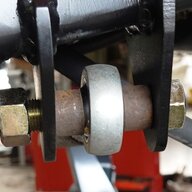
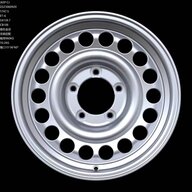
I'm gonna say no, at least for normal winching speeds. Larger is better, with diminishing returns.
And with a small bend radius most of the heat generated is internal to the rope as it deforms. When this type of rope fails it often shows signs of melting from the heat generated as it fails.
Lots of fun reading here:
https://nwlinejatc.com/wp-content/uploads/Rope_Users_Manual_WEB.pdf
Every user should read the section on "inspection and retirement," too.
page 38:
"Where a rope is deflected more than 10 degrees around a surface (i.e., bitts or chocks), the
effective diameter of that surface should not be less than three times the diameter of the
rope. Stated another way, the diameter of the surface should be at least three times the rope
diameter. Even larger diameters would be better yet because the durability of the rope increases
substantially as the diameter of the surface over which it is worked increases."
p39:
View attachment 431643