241 vs Atlas ll

They started calling the trans the 32RH starting with the 1991 EFI 4.0. However it did not have lockup, so it was a non locking 32RH for 91-93. Still basically the same trans as the 999.

Lockup torque converter started with the 94 YJ 32RH. and was operated differently and used a different solenoid than a 97's lockup. YJ was case grounded and was applied power via a relay controlled by PCM. If I recall the TJ was powered and grounded by the PCM. Powered constantly and grounded on command. From what I recall apparently the reason for the change in design was so the TJ PCM could monitor it.

The YJs do not report error codes for the TC if it doesn't lock, unlike the TJ. This is exactly why an auto YJ PCM can be used in a manual, as well as the manual PCM can be used in a 91-93 auto that doesn't have lockup. The picky ones are the 94-95s, they need their specific auto PCM or else they will never get to lock the trans unless they put it on a switch or similar.
Thanks. Know anything about the Corvair Powerglides?
 
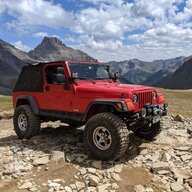
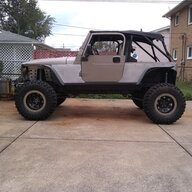
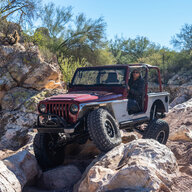
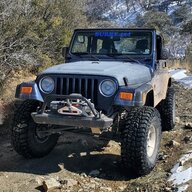
The problem there is we are not abusing them. My crawler runs 40" sticky tires, Atlas 4.3, 4.88 gears in the diff so by most any metric it is horribly under geared for the tire size. Small trans cooler in the grill that was put in when it was on 33's. Unlike most back then and quite a few now, I also run a trans temp gauge. It is one of the older B&M style that along with numbers, has white, yellow, and red zones to help you at a glance. In all the time we've run out in JV, it has only ever crept up to the yellow zone one time. One year the road in was pretty soft so I was helping add a bit more drive to a 35' motorhome pulling a rig on a trailer. I had it in 4 hi and was continually slipping the tires in the soft getting him back to the highway.

The rest of the time it was often a topic of conversation by those who rode with me. Usually along the lines of "why do you have a gauge on the windshield bar that doesn't work? I'd tell them to keep watching it and the needle may get up off of the cold side by the time we get to the trail and it would by maybe one or two needle widths.

View attachment 324187

I see a lot of talk about adding coolers to prolong the life of the 42RLE. Is that just poppycock/balderdash or is there something inherent to the 42RLE that makes it more prone to get hot? And if/when it does get hot, is it low speed wheeling or high load highway cruising that does it?
 
  • Like
Reactions: Wildman
I see a lot of talk about adding coolers to prolong the life of the 42RLE. Is that just poppycock/balderdash or is there something inherent to the 42RLE that makes it more prone to get hot?

Not balderdash at all. Put a temp gauge on one and you'll see 230 sustained on a lot of highway hills and 4hi at speed.
And if/when it does get hot, is it low speed wheeling or high load highway cruising that does it?
Anything that works the trans, uphills on the highway, hauling ass in 4hi, hotrodding it in 4 low on sand dune type stuff.
 
  • Like
Reactions: Zorba
Not balderdash at all. Put a temp gauge on one and you'll see 230 sustained on a lot of highway hills and 4hi at speed.

Anything that works the trans, uphills on the highway, hauling ass in 4hi, hotrodding it in 4 low on sand dune type stuff.
Important to note the temp sender needs to be in the oil pan. An anytime the torque converter is slipping is the worst case transmission heater for me. Uphill in 2nd on forest roads. Not even hot rodding. Post cooler, i measured temps in the line TO the cooler and it was better but still very hot. I put the temp sender in the oil pan (per Blaine's direction) and I pretty much max out at 180°F in worst case situations. HIghways is usually like 150°F.
 
Important to note the temp sender needs to be in the oil pan. An anytime the torque converter is slipping is the worst case transmission heater for me. Uphill in 2nd on forest roads. Not even hot rodding. Post cooler, i measured temps in the line TO the cooler and it was better but still very hot. I put the temp sender in the oil pan (per Blaine's direction) and I pretty much max out at 180°F in worst case situations. HIghways is usually like 150°F.
I keep forgetting some folks think that is optional.
 
The torque converter provides what is effectively an infinity low first gear. The other thing an auto can do is allow you to give just enough throttle to stay at the limit of traction without spinning tires. That level of control is not possible with a manual.

The low gears from a 241, Atlas, etc behind an auto only increase that level of control.

Disagree.... some clutch work can allow a driver precise torque to tire control.

I get what you are saying but a torque convertor is no substitute for a low range case.
 
  • Like
Reactions: ColoJeep
I have been considering a temp gauge for the Trans with all the warnings of being so easy to overwork or overheat and now some of this seems contrary. Then goes right back to good idea?
 
Last edited:
Not balderdash at all. Put a temp gauge on one and you'll see 230 sustained on a lot of highway hills and 4hi at speed.

What is the difference between the two that makes the 42RLE so much worse in this regard than the 32RH? Gears are gears, so I would think there must be some major difference in the torque converter to generate that much more heat.

Anything that works the trans, uphills on the highway, hauling ass in 4hi, hotrodding it in 4 low on sand dune type stuff.

I guess the game between the smaller percentage of the bigger number vs the bigger percentage of a smaller number ends up a tie.
 
I have been considering a temp gauge for the Trans with all the warnings of being so easy to overwork or overheat and now some of this seems contrary. Then goes right back to good idea?
It isn't contrary, you still need to know how hot your trans is so you know if you need a cooler or how well the one you have is working. Nothing contrary whatsoever unless you're looking for a way to be lazy.
 
Disagree.... some clutch work can allow a driver precise torque to tire control.

I get what you are saying but a torque convertor is no substitute for a low range case.
what control does a clutch give you that a foot on the brake and gas pedal doesn’t give you in an auto?
 
  • Like
Reactions: jjvw
what control does a clutch give you that a foot on the brake and gas pedal doesn’t give you in an auto?

I'm not reading his post as saying a manual offers superior control to an auto. I read it to say that an auto doesn't cancel out the advantage of a good low range.

but then there's this.
brake + throttle
vs
brake + throttle + clutch (using a hand throttle to make up for the fact that my third leg won't reach that far)

Obviously it's easier to climb an obstacle with your brain processing 2 outputs instead of 3, but when the front end gets light, I can bail out with the clutch a lot more quickly than I can bump an auto shifter into neutral.
 
I'd like to drive a similarly equipped rig side by side (auto/manual) as I have never wheeled an auto. I understand the many reasons why they may be better, even if that doesn't align with preferences, but nothing really tells like seat time. I don't currently want a lot more than I get with the 6spd and 241, but as they say - comparison is the thief of joy.
 
You got it !

The little experience I have, I really want a lower gear than the 2.72 in my 231.
I see this pretty regularly with guys we run with on 231s. They can get by, but the lower crawl would really put them over the top. I am sure when they get something lower they will be exceptional since they've learned so much control with the 231.