Pinion nut replacement

tom1496

New Member
Original poster
Joined
Aug 20, 2020
Messages
13
Location
Northwest Indiana
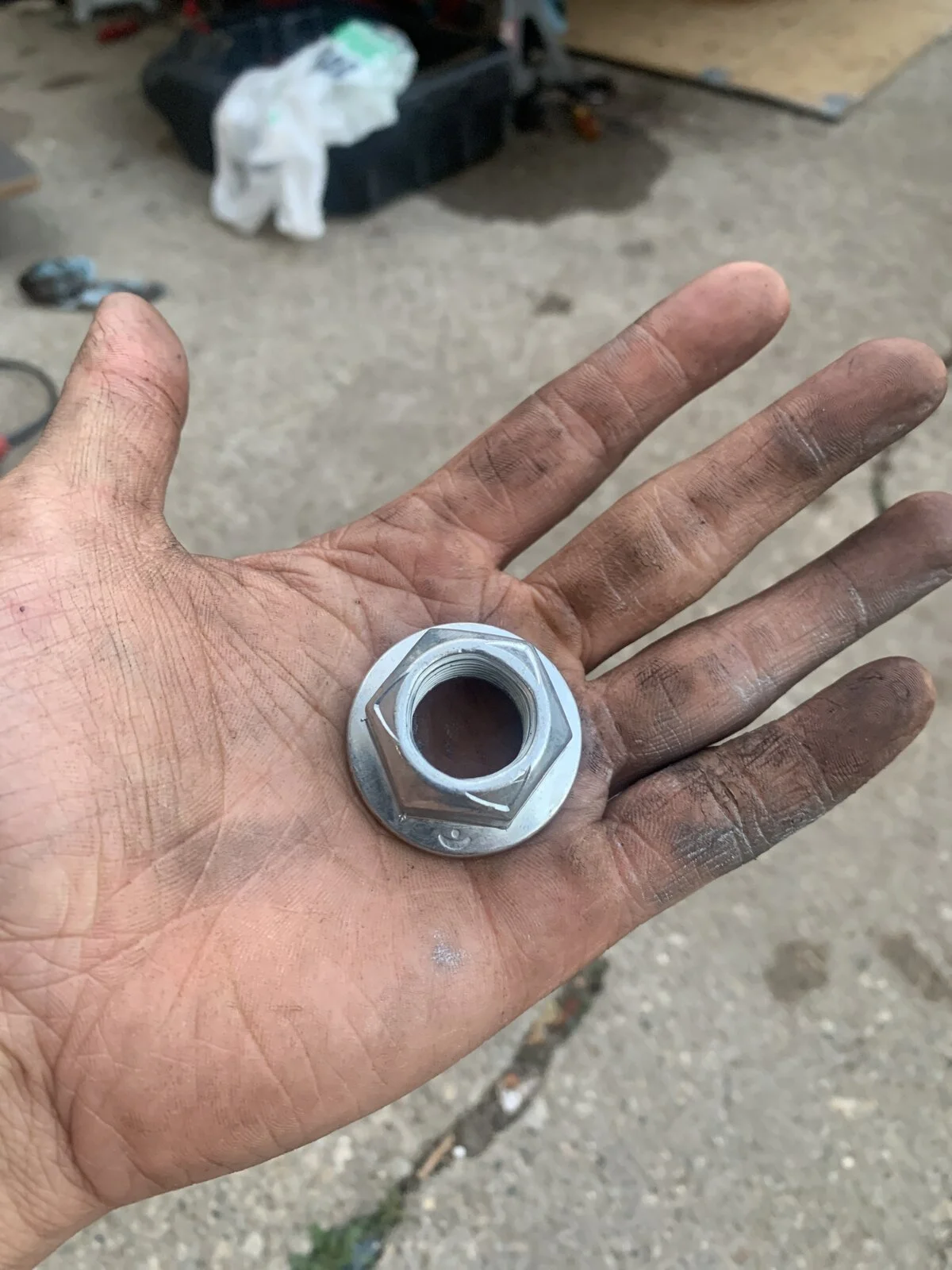
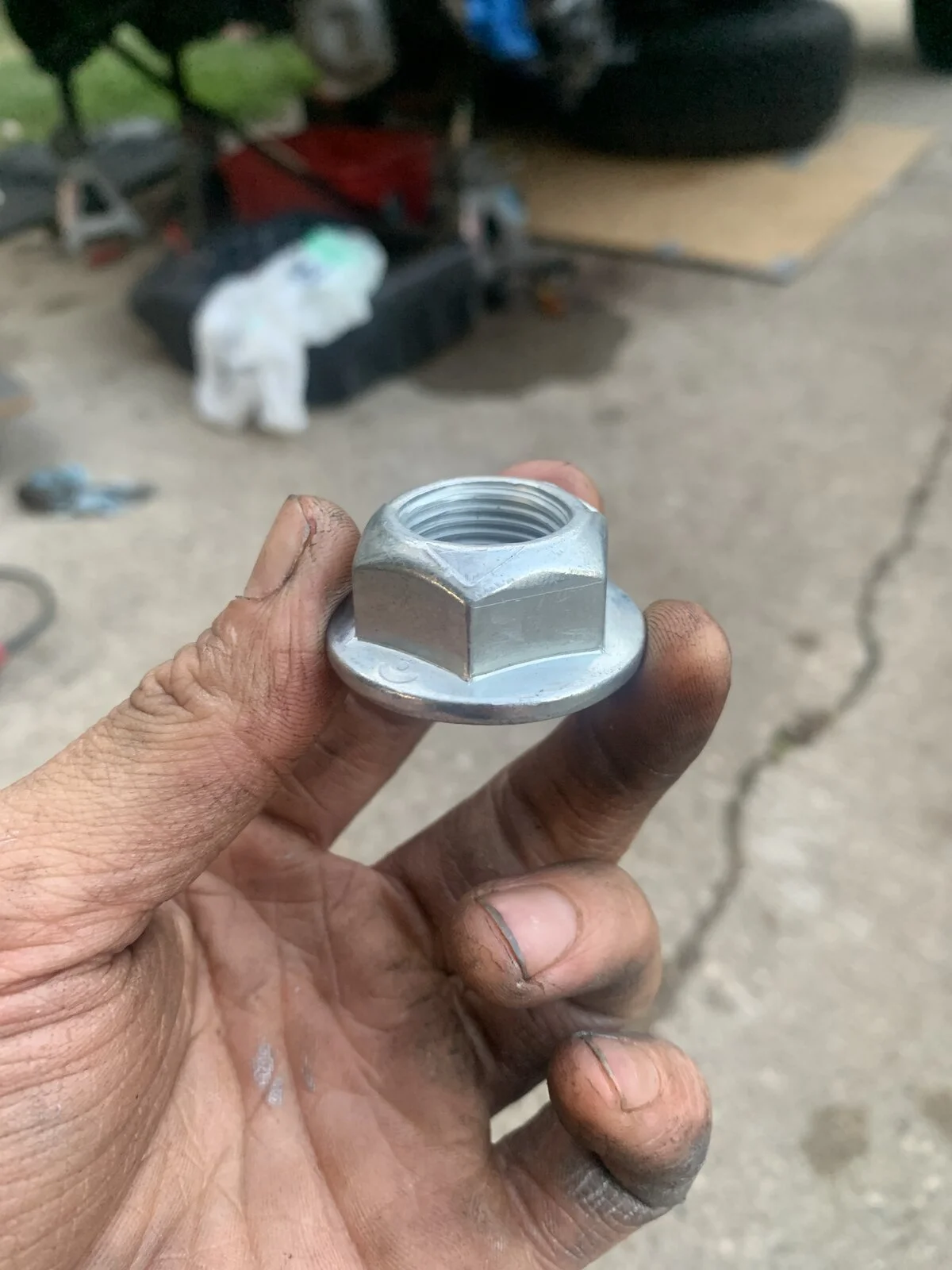
Have a quick question regarding the nut for the pinion. My original nut is stuck in a socket lol Would this new nut with a washer integrated be a suitable replacement?
Part number: Omix-Ada 16584.04

It fits just fine, however just wanted to make sure before i torque down.

image.webp


image.webp
 
Edit: that'll work.

The pinion nut is oblong and considered a one time use nut.
 
I dont recall a washer. What does the old pinion nut look like? Curious if someone use something different 🤔
 
Even though you got the nut out, use the new one without a washer. Stover nuts are designed for one time use. On a pinion I only one them once. If you reuse a $4 nut and it loosens over time it can destroy your gears which will cost a hell of a lot more to replace.
 
  • Like
Reactions: tworley
Even though you got the nut out, use the new one without a washer. Stover nuts are designed for one time use. On a pinion I only one them once. If you reuse a $4 nut and it loosens over time it can destroy your gears which will cost a hell of a lot more to replace.

Ahh makes sense. Okay final question so i marked the nut in relation to the yoke and diff, with this being a new nut what does it need to be torqued down to? Ive read anywhere from 160-220?
 
Ahh makes sense. Okay final question so i marked the nut in relation to the yoke and diff, with this being a new nut what does it need to be torqued down to? Ive read anywhere from 160-220?

Marking the nut in relation to the yoke does absolutely nothing. When doing a re-gear, the difference between 160 and 200 is barely noticeable. I've tried just out of curiosity to mark and then torque to see how close it is and it's not an effective method.

You are correct with the torque spec 160-200. Now the question is, are you dealing with a crush sleeve or a shim pack? if you're dealing with a crush sleeve, you'll need a new one. Then you'll need to get to 16-20 in/lbs rotating torque after the sleeve begins to crush. It takes a LOT sometimes to get a sleeve to crush and other times hardly anything. I've broken a 1/2" ratchet trying to get a sleeve to crush before. Once it does start to crush, make VERY MINUTE adjustments until you get to the 16-20 spec. It doesn't take much at all to over crush a sleeve and have to replace it again.

 
  • Like
Reactions: Blondie70
Marking the nut in relation to the yoke does absolutely nothing. When doing a re-gear, the difference between 160 and 200 is barely noticeable. I've tried just out of curiosity to mark and then torque to see how close it is and it's not an effective method.

You are correct with the torque spec 160-200. Now the question is, are you dealing with a crush sleeve or a shim pack? if you're dealing with a crush sleeve, you'll need a new one. Then you'll need to get to 16-20 in/lbs rotating torque after the sleeve begins to crush. It takes a LOT sometimes to get a sleeve to crush and other times hardly anything. I've broken a 1/2" ratchet trying to get a sleeve to crush before. Once it does start to crush, make VERY MINUTE adjustments until you get to the 16-20 spec. It doesn't take much at all to over crush a sleeve and have to replace it again.

All that has to be done even if i all i did was replace the seal?
 
Its a dana 30.

So here's the predicament you are in. Since the Dana 30 uses a crush sleeve it would require installing a new crush sleeve and torquing to spec. What others have done in the past is what you described earlier. They'll re-tighten the original nut until it matches the mark they made. They will use loc-tite to hold it on. The problem is that you don't know what your pre-load really is. But it works for some people some of the time, but not everyone all of the time. I think I made my preference clear but ultimately it is up to you at this point.

$4 pinion nut and $6 crush sleeve or possible $800 for new gear set up.
 
as hose jockey said, marking the nut and reinstalling to where it was before typically works. The right way to do it is to measure your pinion preload before you disassembled it and put a new nut on until you get the same preload as before.